Rehabilitation is an important part of a person’s recovery, the growth of healthy habits and an enhanced quality of life. But many are still reluctant to obtain specialist services due to their misconceptions about rehabilitation centres. There are some who feel these centres should only be for those who have serious issues, and there are others that feel that rehabilitation is always a long and difficult process, or restricted. These misconceptions can limit our access to finding appropriate care when needed, for an individual and their family.
A Rehabilitation Centre in Chennai can provide various types of rehabilitation depending on an individual’s condition, their personal needs and their rehabilitation goals. Removing some of the assumptions and myths in patients’ and families’ understanding about rehab can help them to make appropriate decisions before starting treatment. This helps to demystify some of the common misconceptions about rehabilitation services and the vital role that professional care plays in the recovery journey, leading to a better understanding of the services available and the necessity of picking the right service for a successful recovery.
“Rehabilitation is not about perfection; it is about progress, patience, and persistence.”
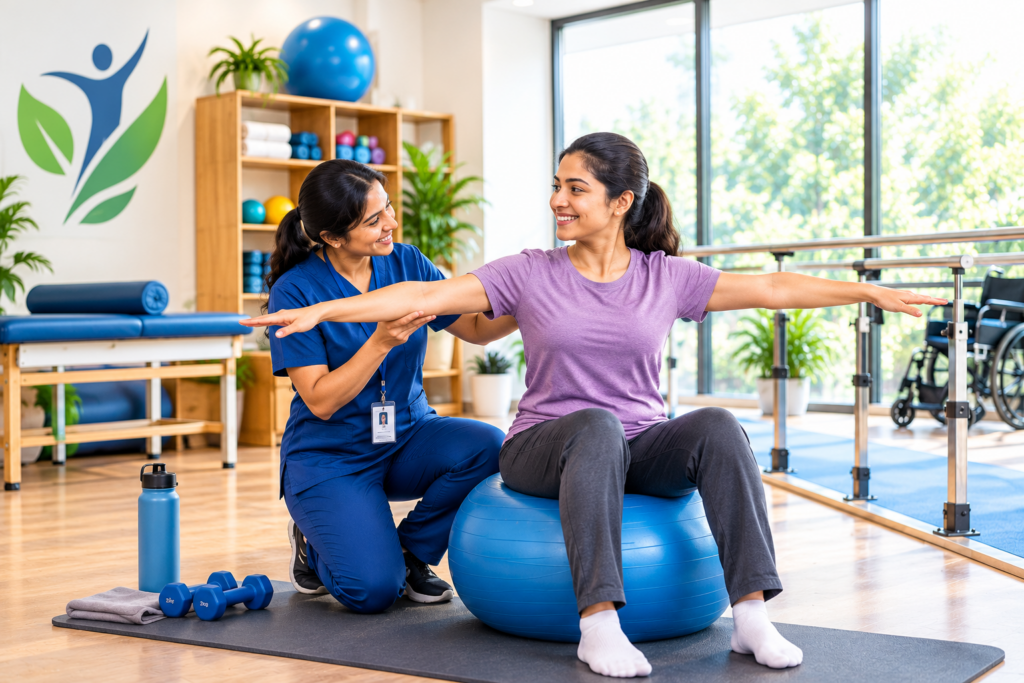
One common misconception is that rehabilitation centres exclusively provide treatment for individuals struggling with alcohol or drug addiction. Although addiction treatment is an important part of rehabilitation, the field is much broader than many people realise. Rehabilitation may support individuals facing a range of physical, psychological, behavioural or functional challenges. Depending on the facility’s specialisation, services may include assistance for substance dependence, recovery following certain medical conditions, physical rehabilitation, and support for improving everyday functioning.
For example, someone recovering from a serious illness may need professional guidance to rebuild strength and manage daily activities. Another individual may require structured support to address substance use and establish healthier routines. The type of care available varies between facilities. Therefore, patients and families should understand the centre’s specialisation before deciding whether it suits their needs. Rehabilitation is not limited to one condition; it is a broader approach to supporting recovery and improving well-being.
Some individuals feel ashamed about seeking rehabilitation because they believe they should be able to manage their difficulties independently. This perception may be even more difficult to accept when a person suffers from a drug or alcohol addiction, depression or any other emotional imbalance that means they are unable to function as a normal person.
Fact: Asking for professional help is a practical step towards addressing a problem.
Recovery might be tough and can come in various difficulties that can be hard to deal with without the proper guidance. Rehabilitation workers can assist people to learn about their needs; what progress is possible; and steps to support progress. Asking for help isn’t a sign that a person is weak or incapable or will not fight. It means they are aware they can give extra support if it is needed. Families are also a critical key to changing this perception. Instead of embarrassing people with the need for help, they can create an open dialogue and facilitate discussion around treatment options. A helpful environment can assist individuals to discuss their worries without feeling worried and to be part of their treatment. Taking the role of a judge is replaced by understanding, thereby decreasing the stigma and allowing others to come to a situation of needing help when they see it.
It is easy to assume that every patient follows the same timetable, attends identical sessions, and receives the same treatment. In practice, any effective rehabilitation should take account of individuals’ differences. Individuals might go into treatment or rehab with varying health issues, life patterns and levels of function, and goals for recovery. One programme which works for one person may not be suitable for another.
Depending on the services offered, an individual rehabilitation plan may consider:
For example, there are people who require help with mobility and physical function, and then there are those who need to benefit from a structured drug addiction treatment and behavioural support. The length of time and level of intensity of care also can vary. For this reason, families should enquire about the development of treatment plans and their review, and not presume that anyone receives a cookie-cutter treatment programme.
The belief that all one has to do is live in a rehab centre for a few months, that one’s life has to be regimented, and that one must forgo independence is another misconception. People may require residential care and support, supervised care in a structured setting, or receive various types of professional support. The care options chosen will depend on the individual’s health, safety needs, treatment objectives, and also the suggestions of trained individuals.
Some rehabilitation centres will not have all these options available. There are also those who specialise only in residential addiction treatment and there are other ones who offer certain medical and therapeutic facilities. What’s important is not the treatment itself, but rather the rehab itself, should be tailored to the individual and not a treatment that is universally presumed to be effective. Families can talk to the care team to find out what arrangements are in place and what the practical implications of such an action would be, to inform their decision.
Also Read This: What Happens During a Rehabilitation Hospital Stay? A Step-by-Step Guide
Rehabilitation is likely to be associated with the concepts of physical exercises, mobility training, and medical recovery. Note that while these are significant in some environments, there are other approaches to rehabilitation that can be used to promote emotional health, behavior modification, changes in social functioning and healthier habits. Multiple factors may be involved and contribute to the way in which recovery is experienced.
For instance, someone who is in drug addiction might require more than physical stabilisation. They can also gain from counselling, strategies to manage the behavioural responses, planning for relapse and support to help restore interpersonal relationships. Likewise, a person who has been hospitalised for a serious illness might feel frustrated, low in confidence or find it challenging to come back to regular life.
Rehabilitation will include the following:
Not all facilities offer these services, and not all treatments will suit every individual, so it will be necessary to choose one based on the person’s requirements. Where appropriate, rehabilitation can tackle a wider range of issues impacting on an individual’s life through a holistic approach of physical, emotional and behavioural.
Some families think that as long as the person who is loved stays in a rehab facility, then all of the recovery responsibility goes to the rehabbers. Others are convinced that they have to be totally involved until the end of the treatment programme. While it is important for care to be provided by a professional, family engagement can also help foster a supportive recovery environment. The decision on the appropriate level of participation will be based upon patient preferences, clinical needs, privacy, and type of treatment.
There are several ways that relatives can help:
However, family support does not mean controlling every decision or expecting immediate improvement. Times of setback and subsequent learning that take a different amount of time than initially planned will occur. For instance, families in addiction recovery need to be guided on healthy boundaries and managing challenging situations in a healthy manner. Rehabilitation staff can describe to relatives the minimally invasive ways it is appropriate for them to participate in the rehabilitation process, if it is applicable, and with written consent of the patient.
It is natural for patients and families to hope that completing a rehabilitation programme will resolve every difficulty permanently. Again, recovery doesn’t always follow a linear course, and if a person finishes treatment, it doesn’t mean that problems are never encountered again.
Fact: Rehabilitation can provide valuable support, but continued effort and follow-up may be necessary.
Treatment depends on the condition being treated, and the next steps are determined. Exercises might need to be continued or assessed periodically in someone recovering from an injury to their body. An addicted person may need periodic counselling services, a plan containing a relapse process, peer support services or other services recommended between addiction treatment to assist him.
The following might all be included in a continuum of progress:
It is also important to realise that although there may be setbacks, the treatment has not failed. They can help to show that there are changes that need to be made to the plan, or further help is needed. They should talk to their healthcare team about what’s possible, warning signs, and what to expect after. The health professional who provided initial treatment can help develop a clear continuing care plan that will assist individuals to sustain progress beyond the initial treatment.
After discussing and debunking falsehoods, the next thing to do is a careful evaluation of the available facilities. Services should be tailored to the individual’s needs; there should be plenty of good people to look after them, and there should be a clear plan about how they will care for them.
Before making a decision, consider the following factors:
“Breaking the myths surrounding rehabilitation is the first step towards embracing recovery with confidence and hope.”
Misconceptions about rehabilitation can create unnecessary fear, confusion, and hesitation. Rehabilitation is not just for individuals with major addiction concerns, and getting help isn’t a failing. There are different kinds of treatment methods to choose from depending on various needs, family support can be important, and there may be a need for ongoing treatment to sustain progress. The initial step in selecting the Rehabilitation Centre in Chennai is to educate yourself about the services offered provided, and then ascertain and confirm the quality and professionalism of rehabilitative care. While there are some myths about methadone withdrawal, patients and families need to concentrate on accurate information and realistic recovery objectives. Rehabilitation can help individuals make progress toward a healthier lifestyle, healthy living habits, and improve functioning with the proper guidance, a caring environment, and an individualised care plan.
Ashram Foundation – One of the Best alcohol Rehabilitation Centre in Chennai was started in the year of 2007. We are Best De Addiction Centre in Porur, Chennai, De Addiction Centre in Chennai, old age homes in Chennai, Best Rehabilitation Centre in Porur. We assist anyone to recover from alcohol addiction.

Group Therapy :Group therapy is an exact form of counseling which is utilized to treat psychological disorders like alcohol addiction.

Yoga Therapy : It is carried out by an experienced and certified Instructor tells clearly how mind works and how it’s possible to utilize the mind to get liberation.

Rehabilitation Services : We offer Job assistance, Vocational Counseling, and Training Programs for individuals who are in require of rehabilitation services