When someone is recovering from an injury, surgery, illness, or a condition that has affected their movement and independence, returning home immediately may not always be the right step. Others may require further medical care, advice and guidance to enable them to cope with their daily lives to their satisfaction. That’s when rehabilitation hospitals in Chennai can be invaluable in a person’s recovery. So what happens when you stay at rehabilitation? Patients and families often have questions regarding the treatment process, therapy sessions, medical care and discharge planning. Rehabilitation can often be a carefully managed process but depends on the patient’s condition and personal goals.
Let’s dive into this blog to explore the steps that happen during rehabilitation hospital stays.
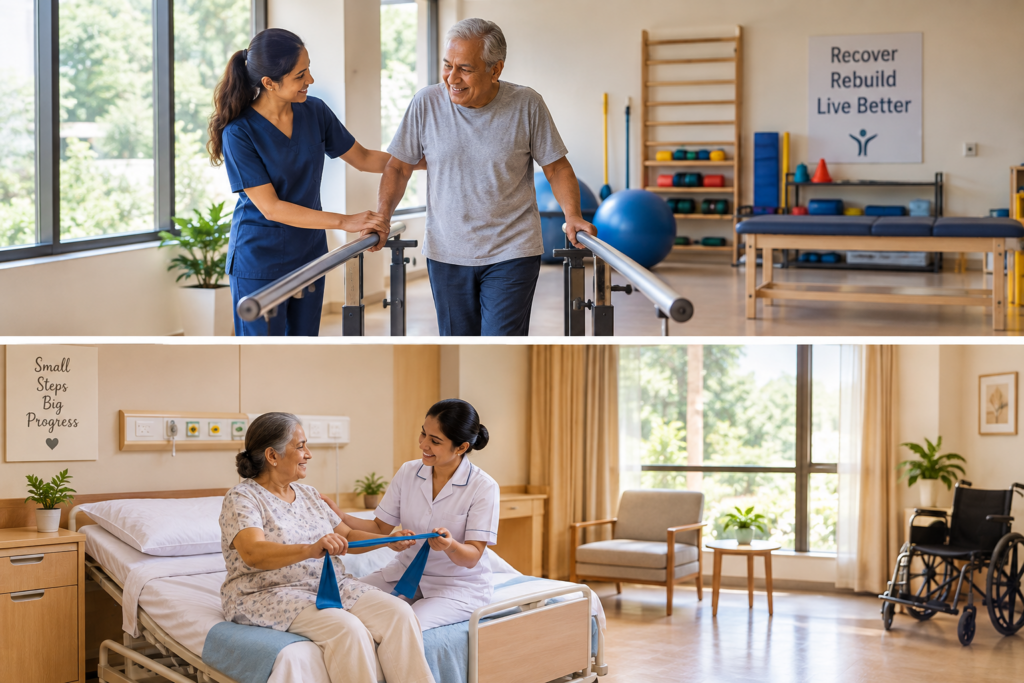
“Rehabilitation helps turn determination into the ability to live more independently.”
The first stage usually begins with a detailed assessment after admission. The patient’s medical history, rehabilitation treatment, medications, current condition and why rehabilitation is recommended are reviewed by the rehabilitation team. The evaluation may also include determining if the patient can walk, walk with assistance, communicate, dress and undress, swallow, feed self and engage in other activities of daily living. This will help the healthcare team to understand any current skills and needs that may require further support. The first evaluation is used as a starting point for the rehabilitation programme, as each patient’s situation is unique.
Once they have been assessed, the healthcare team designs a treatment plan to meet the patient’s needs and potential and their treatment goals. The plan may vary depending on patients’ needs and the types of therapy and medical support that are appropriate. The treatment program can be determined and may not be the same during the entire stay. It can be modified based on the patient’s actual health condition as well as the subsequent progress and improvement.
A rehab programme can consist of:
Physical therapy: Focuses on strength, movement, flexibility, balance, and mobility.
Occupational therapy: Helps patients practise everyday activities and work towards greater independence.
Speech and language therapy: This may be suggested for communication, speech or eating and drinking difficulties.
Medical monitoring: Assists healthcare professionals in monitoring the patient’s entire condition throughout the rehabilitation process.
Functional exercises: Activities can be included to enable patients to perform functional activities to maintain in everyday life.
Guidance for carers: Family members could be told how they can assist the patient during and after rehabilitation.
A major component of a patient’s treatment plan in a rehab hospital is therapy. Appointments are scheduled based on the patient’s health, ability, mobility and goals. Physical therapy can include walking or standing exercises, transferring in and out of a bed or chair, balancing or strengthening particular muscles. Activities may include dressing, eating, grooming and using daily items.
Therapy may be different in terms of intensity for each patient. In some cases, a gentle exercise session may be the first step to get back to gentle exercise; in other cases, more activity may be needed for training. Most therapists assess the patient’s response and make adjustments to activities as needed. The emphasis is not just on the tasks and exercises, but on the skills which can be applied to real-life situations.
Regular monitoring of recovery is carried out during rehabilitation. Changes in mobility, strength, coordination, comfort and performance of daily activities are observed by the healthcare team. All information is useful, even if it’s small, whether it’s about the patient’s response to treatment or otherwise. This continuous assessment should help the team determine if the rehabilitation plan is appropriate. As soon as a goal is achieved, the team can set up another appropriate challenge. Specific attention can be given to a specific area if that activity continues to be challenging.
Progress monitoring may involve:
One of the primary components of rehabilitation is to assist the patient to achieve greater independent living skills in the activities of daily living. Remember, recovery isn’t just about building up fitness levels; it’s about being able to apply those fitness levels in real-world scenarios. Depending on the patient’s condition, therapy can focus on practising walking, unobstructed walking, moving around without a cane, eating, dressing or bathroom tasks.
Patients can also be instructed in the use of mobility devices when recommended by their healthcare providers. Walking frames, walkers, canes, or other supportive equipment may be used at appropriate times. Therapists can teach patients how to do these activities in a safe way and make them comfortable with doing them. These pragmatic exercises may be helpful, as the patient will ultimately have to do the same outside the hospital. With help and guidance from professionals, they can be learnt over time, so patients and families understand what level of support they might require once discharged.
Family involvement can be significant for rehab, especially if a patient is likely to require help upon returning home. Healthcare personnel can speak to the family and inform them about the patient’s condition and the level of care he or she needs to provide without interfering with the patient’s independence. Organising the home life after hospital discharge can make things smoother if one’s family is prepared for discharge. It will also enable carers to discuss questions and concerns about the patient’s ongoing healing process.
Families are given advice prior to discharge on the following:
“Rehabilitation provides the guidance and support needed to take the next step towards everyday life.”
After rehabilitation, the process doesn’t always end when leaving the hospital. Many of these patients make improvements by continuing home exercises, attending outpatient therapy, follow-up appointments or other methods of treatment suggested by their care provider. The team will typically review the patient’s progress and offer guidance prior to discharge based on current needs. Treatment can vary from one patient to the next, and the length of time for treatment might vary. This will depend on the type of illness or injury, the overall health and condition of the patient and what progress they make through the treatment and after treatment and the assistance that is needed to carry out activities of daily living.
The discharge plan can include, but is not limited to:
A typical course of stays at a rehabilitation hospital in Chennai includes an assessment, individual treatment, frequent therapy, monitoring, family education and discharge planning. Individual stages are geared towards a specific aspect of the patient’s rehabilitation. Patients and families help in the process by being open and honest with the healthcare team and discussing any issues related to pain, movement, therapy, or daily activities.
It is also crucial to note that recovery doesn’t always occur in the same order for all people. In some cases, a patient may begin to see changes rapidly, and in others, more time and constant therapy are needed to achieve the goals. While recovery time is a thing to consider, rehabilitation primarily emphasises what is done to make the patient safer and more independent.
Ashram Foundation – One of the Best alcohol Rehabilitation Centre in Chennai was started in the year of 2007. We are Best De Addiction Centre in Porur, Chennai, De Addiction Centre in Chennai, old age homes in Chennai, Best Rehabilitation Centre in Porur. We assist anyone to recover from alcohol addiction.
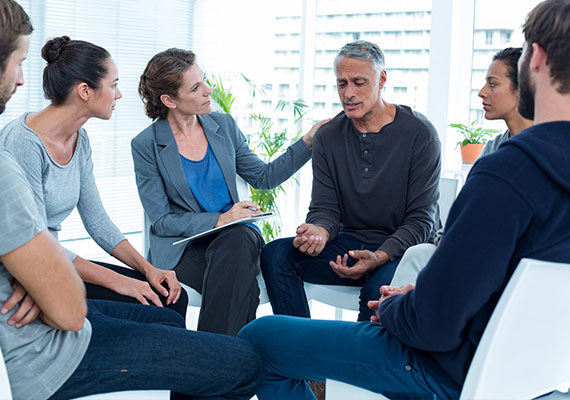
Group Therapy :Group therapy is an exact form of counseling which is utilized to treat psychological disorders like alcohol addiction.

Yoga Therapy : It is carried out by an experienced and certified Instructor tells clearly how mind works and how it’s possible to utilize the mind to get liberation.
Rehabilitation Services : We offer Job assistance, Vocational Counseling, and Training Programs for individuals who are in require of rehabilitation services