“Recovery begins with hope, grows with care, and succeeds through determination.”
Recovery is more than just healing a medical condition; it is about rebuilding confidence, restoring independence, and returning to everyday life with renewed strength. Rehabilitation Hospital in Chennai offers comprehensive rehabilitation services designed to support patients through every stage of recovery. From personalised therapy programmes and expert medical supervision to advanced rehabilitation techniques, these hospitals focus on improving physical, emotional, and functional well-being. With the right care and guidance, every step of the recovery journey becomes more effective, comfortable, and empowering. In this blog, we are going to explore why rehabilitation hospitals play a vital role in healing.
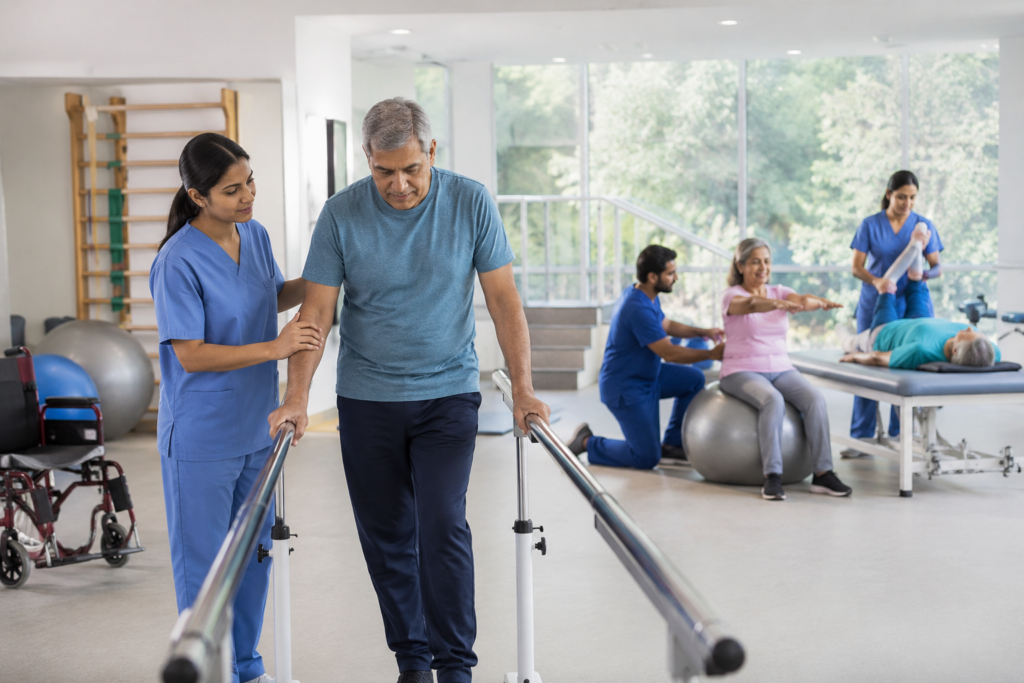
Rehabilitation care is a specialized branch of healthcare that focuses on helping people regain the physical, mental, and functional abilities they have lost due to illness, injury, surgery, or disability. Unlike traditional treatments that mainly address the medical condition, rehabilitation emphasizes restoring independence and enabling patients to perform everyday activities with confidence.
The rehabilitation process begins with a detailed assessment of the patient’s condition. Based on this evaluation, healthcare professionals develop a personalized treatment plan that addresses specific recovery goals. Continuous monitoring ensures that therapies are adjusted as patients progress, allowing them to recover safely and efficiently.
Rehabilitation is designed for individuals facing a wide range of health challenges. Does not apply to elderly patients or patients with serious injuries. Rehabilitation services will be provided to children, adults, and senior citizens as per their medical condition and their need for rehabilitation.
A great deal of patients need rehabilitation following surgeries, accidents, strokes, or neurological disorders. Others might want to go into rehab to gain movement, to ease any chronic pain, or to get their speech and thinking back. Early intervention can improve recovery and help patients resume their normal lives as soon as possible.
The process of recovery is a gradual one, and it takes time to get there; patience and guidance are required. Each patient’s rehab is a different path depending on differing medical histories and physical state, as well as individual goals. Treatment is not a one-size-fits-all process but will change based on progress.
A carefully planned rehabilitation experience guarantees that each step is taken safely and without setbacks. Proper evaluations enable health practitioners to track progress and implement new treatments as needed.
Your physical capabilities, medical history, and any rehabilitation plans will all be assessed by healthcare professionals before developing a treatment program.
Customized Therapy
Specific exercises and rehabilitation methods are used to treat the patient, based on their needs.
Continuous Monitoring
Regular progress monitoring is used to ensure that improvements can be identified and treatments adjusted as necessary.
Functional Recovery
Patients regain strength, mobility, balance, and confidence in performing daily activities over time.
Long-Term Support
After rehabilitation, patients continue to be coached on maintaining recovery via healthy living and exercise.
Every patient’s healing process is unique. Age, medical condition, lifestyle, and recovery goals are all factors that affect the rehabilitation process. That is the reason why individual healing plans are crucial in attaining favorable outcomes.
Rehabilitation specialists draw up a patient-specific treatment program rather than a one-size-fits-all program. These plans combine various therapies and are regularly updated to reflect the patient’s progress.
A personalized rehab regimen can help patients reach realistic and meaningful goals, which helps boost their motivation to continue with rehab and improves their physical recovery.
Rehabilitation is a joint effort of skilled health care professionals and is successful if they work together. The experts will each bring their own expertise and give patients a comprehensive treatment that takes into account their physical and emotional recovery.
These professionals collaborate to create a coordinated treatment plan that enhances the healing process nd aids patients in managing their daily activities. Together, they can help ensure your rehabilitation is safe, effective, and will help you become independent in the long-term.
Meet with the Rehabilitation Specialists
An experienced multidisciplinary team will be able to ensure that the therapeutic aspect of recovery is addressed, ensuring that the patient will be able to achieve better health outcomes, while improving their overall quality of life.
“The journey to recovery is built on patience, perseverance, and compassionate care.”
A key objective of rehabilitation is to restore strength and mobility to enable patients to undertake daily activities with confidence. Rehabilitation treatments are tailored to enhance movement, flexibility, coordination, and stamina after neurosurgery, stroke, injury, or accident. Each exercise is gradually introduced to ensure patients can recover safely as they gradually increase their physical capacity.
Progress is tracked by the therapist throughout recovery, and changes to exercises are made accordingly. This customised approach aids in minimizing pain and preventing further injuries while promoting quicker recovery. Patients grow better and stronger and are able to do things on their own, improving their quality of life.
Healing is more than just physical healing. Some patients may have emotional issues like anxiety, frustration, or lack of confidence following a serious illness or injury. Rehabilitation hospitals understand the value of addressing the patient’s physical and psychological needs and provide a hospitable atmosphere that will motivate the patient on the path to recovery.
A comprehensive rehabilitation programme includes both physical and emotional/psychological care. Patients receive counselling, stress management techniques and motivational guidance to keep their outlook positive and to face new challenges. The balance of this will not only benefit a child’s recovery but also their long-term emotional health.
Physical Wellness
Increases mobility, strength, and overall fitness with guided therapy sessions.
Emotional Support
Builds confidence by removing fear, anxiety, and emotional stress from a patient.
Mental Well-being
Promotes positive thinking, resilience, and engagement in rehab.
Lifestyle Improvement
Encourages effective behaviors that promote long-term recovery and wellness.
Recovery is a journey that requires expert guidance, personalised treatment, and continuous encouragement. From restoring mobility and improving strength to supporting emotional well-being and promoting long-term independence, rehabilitation hospitals play a vital role in helping patients regain control of their lives. By combining skilled healthcare professionals, advanced therapy solutions, and patient-centered care, individuals can achieve meaningful recovery and enjoy a healthier, more confident future. Choosing the right Rehabilitation Hospital in Chennai ensures access to comprehensive rehabilitation services that support every step toward lasting wellness.
A rehabilitation hospital offers specialized services such as physiotherapy, occupational therapy, speech therapy, neurological rehabilitation, orthopedic rehabilitation, pain management, and post-surgical recovery programs to help patients regain their independence.
Rehabilitation is beneficial for individuals recovering from strokes, surgeries, spinal cord injuries, neurological disorders, sports injuries, fractures, joint replacements, and other conditions that affect mobility or daily functioning.
The duration of rehabilitation depends on the patient’s medical condition, recovery goals, and overall health. Some patients may require a few weeks of therapy, while others may benefit from long-term rehabilitation programs.
Personalized rehabilitation focuses on the unique needs of each patient, ensuring therapies are tailored to their condition, abilities, and recovery goals. This approach helps improve recovery outcomes and enhances overall quality of life.
When selecting a rehabilitation hospital, consider factors such as experienced medical professionals, comprehensive therapy services, advanced rehabilitation equipment, personalized treatment plans, patient-centered care, and a supportive recovery environment.
Ashram Foundation – One of the Best alcohol Rehabilitation Centre in Chennai was started in the year of 2007. We are Best De Addiction Centre in Porur, Chennai, De Addiction Centre in Chennai, old age homes in Chennai, Best Rehabilitation Centre in Porur. We assist anyone to recover from alcohol addiction.
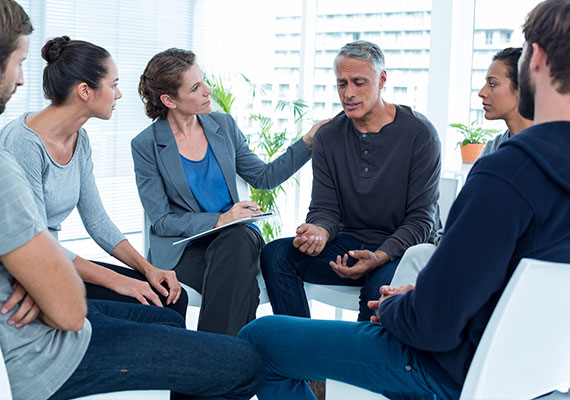
Group Therapy :Group therapy is an exact form of counseling which is utilized to treat psychological disorders like alcohol addiction.

Yoga Therapy : It is carried out by an experienced and certified Instructor tells clearly how mind works and how it’s possible to utilize the mind to get liberation.
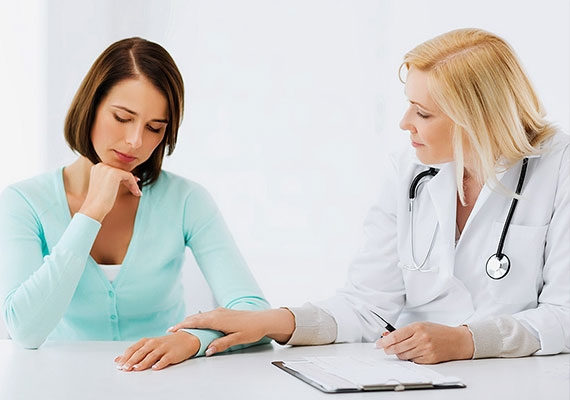
Rehabilitation Services : We offer Job assistance, Vocational Counseling, and Training Programs for individuals who are in require of rehabilitation services