Life can present challenges that affect our physical, emotional, and mental well-being. Sometimes, injuries, illnesses, addiction, or long-term health conditions can make everyday activities difficult and leave individuals feeling overwhelmed. While many people try to manage these struggles on their own, there comes a point when professional support becomes essential. This is where a rehabilitation centre plays a vital role. A Rehabilitation Centre in Chennai provides structured care, expert guidance, and personalised treatment plans that help individuals regain their independence and improve their quality of life. Whether someone is recovering from surgery, dealing with addiction, or coping with neurological conditions, timely intervention can make a significant difference. Recognising the signs early can prevent complications and lead to better recovery outcomes.
Let’s dive into this blog to explore seven important signs that indicate it may be time to seek help from a rehabilitation centre and how professional care can pave the way toward healing and renewed confidence.
A rehabilitation centre is more than just a place for treatment; it’s a supportive environment where medical professionals, therapists, and carers work together to help individuals recover physically, mentally and emotionally. The primary goal is to help patients regain their ability to perform daily activities and return to a healthier, more independent life.
Any persistent pain that continually occurs should not be overlooked. Chronic pain and limited mobility can take a toll on quality of life, whether from an injury, operation, arthritis, stroke, or chronic condition.
A rehab centre provides specialised physical therapy and exercises so as to improve mobility, build muscle strength and decrease pain. Early steps can help avoid aggravating the situation and prevent a longer recovery.
People often overuse pain relievers or just lie in bed and forget, but if rehabilitation isn’t provided, there may be underlying problems. An individualised therapy programme can be used to optimise physical function and get people moving again.
Surgical procedures require adequate recovery time, but sometimes healing doesn’t progress as expected. Even simple tasks can be difficult due to weakness, stiffness and limited motion.
After surgery, patients are admitted to a rehab centre for treatment plans to suit each person’s needs. Physiotherapists and other healthcare professionals lead patients in the exercises that speed up healing and prevent complications.
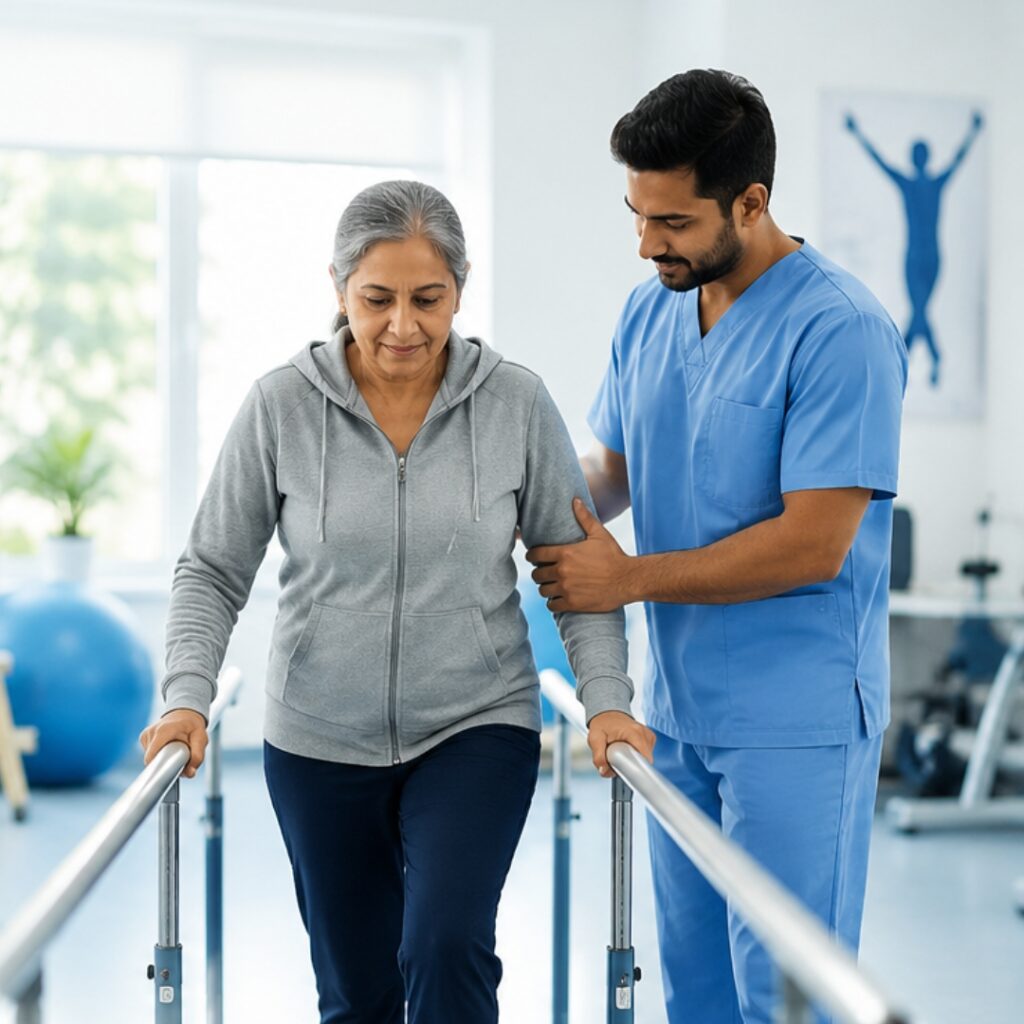
Things that should be easy on a daily basis shouldn’t be. Professional support may be needed for activities that have become difficult, such as walking, getting dressed, having to eat, climbing up and down the stairs or even bathing.
This uses occupational therapy and therapeutic training to assist patients in acquiring the skills needed in everyday life.
The goal is to restore each person to their self-sufficiency, not merely to recuperate. Therapists work on real activities which allow patients to carry out their daily functioning activities in a safe and confident manner.
Many conditions, like a stroke, Parkinson’s disease, multiple sclerosis, spinal cord injury, and TBI, can affect movement, speaking, and thinking.
Comprehensive and continuous therapy is needed for neurological disorders to be treated through recovery. A rehabilitation centre offers a multidisciplinary approach with care from physiotherapists, speech therapists, orthopaedists, neurologists, etc.
Early rehabilitation increases the likelihood of the recovery of lost functions and increases the quality of life.
The healing process goes beyond the physical. Emotional Welfare is a sign of importance also. Anxiety, depression, stress and emotional trauma may be disadvantages that affect normal functioning and impede recovery.
In a rehab centre, the individual will receive both emotional and psychological support and therapy, along with all the physical treatment needed.
Mental health professionals assist their patients in building coping strategies, resilience, and confidence. Emotional healing can be an important component of achieving total recovery.
Addiction impacts not only a person but family and relationships as well. There are lots of people who try to stop on their own; however, appropriate assistance may supply better lasting consequences.
Treatment facilities for addiction emphasise detoxification as well as counselling and behavioural therapy, and also offer relapse prevention.
Rehabilitation centres offer an organized environment with emotional support that assists the individual to change the hurtful patterns and find and discover healthier ways of living.
Older people and people recovering from a neurological condition, such as a faller, are at particular risk of falling frequently. Uncontrolled balance can cause severe injury and loss of self-confidence.
A rehab programme offers balance training and strengthening exercises to enhance stability and mobility, as well as fall prevention programmes.
Therapists determine individual assessments and develop personalised programs to safely help patients walk with confidence.
Numerous individuals wait to be treated because they think that their condition will improve naturally. Delay in treatment may result in additional complications, however.
1.Faster Recovery: Early action will help to avoid complications and hasten recovery.
2.Improved Independence: Patients are able to undertake daily activities independently or with little support.
3.Better Physical Function: The treatment increases flexibility, coordination, strength and endurance.
4.Reduced Pain: Chronic pain treatments are used to manage chronic pain and discomfort effectively.
5.Emotional Support: Patients are encouraged with professional counselling and positive perspectives.
6.Improved Quality of Life: Rehabilitation offers individuals the opportunity to be confident and active in their personal and professional lives.
The choice of a rehabilitation centre is a crucial one. Take into account the following:
1.Qualified Professionals: Make sure that there are experienced doctors, physiotherapists, occupational therapists, and counsellors at the centre.
2.Personalised Treatment Plans: Each patient is different; treatment is individualised.
3.Advanced Facilities: Current technology and equipment produce better recoveries.
4.Holistic Approach: Look for centres that address physical, emotional, and mental well-being.
5.Positive Environment: A nurturing and caring environment promotes quicker healing.
6.Family Involvement: Support from the family is one of the most important elements in successful rehabilitation.
It is easy to overlook the need for help, as many people feel they should be able to do everything on their own. Walking, in spite of physical needs, emotional problems, or addictions, however, can often delay healing and impact the general quality of life. There are seven indications that you are exposed to the cases, and taking early help from a Rehabilitation Centre in Chennai can make a world of difference. The foundation for long-term recovery and regained independence is professional guidance, individualised therapy, and caring support.
Ashram Foundation – One of the Best alcohol Rehabilitation Centre in Chennai was started in the year of 2007. We are Best De Addiction Centre in Porur, Chennai, De Addiction Centre in Chennai, old age homes in Chennai, Best Rehabilitation Centre in Porur. We assist anyone to recover from alcohol addiction.
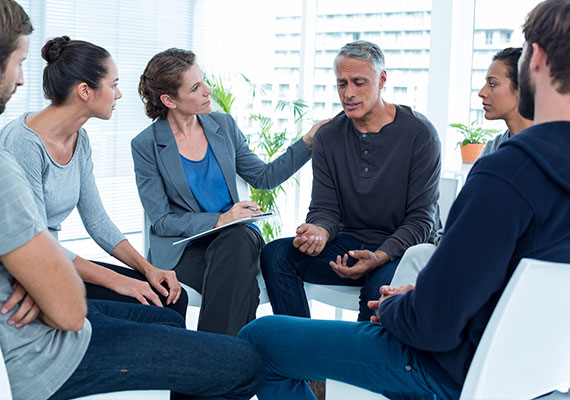
Group Therapy :Group therapy is an exact form of counseling which is utilized to treat psychological disorders like alcohol addiction.

Yoga Therapy : It is carried out by an experienced and certified Instructor tells clearly how mind works and how it’s possible to utilize the mind to get liberation.

Rehabilitation Services : We offer Job assistance, Vocational Counseling, and Training Programs for individuals who are in require of rehabilitation services